A Resilient Garden for Brooklyn
At Field Form, we believe a landscape can be both beautiful and responsive to the city around it. Designed for a landmarked Brooklyn Heights home, this garden brings a quiet, layered landscape to the front and side of the townhouse—connecting the building’s architectural character with the textures, seasonal rhythms, and plant communities of the broader regional landscape.
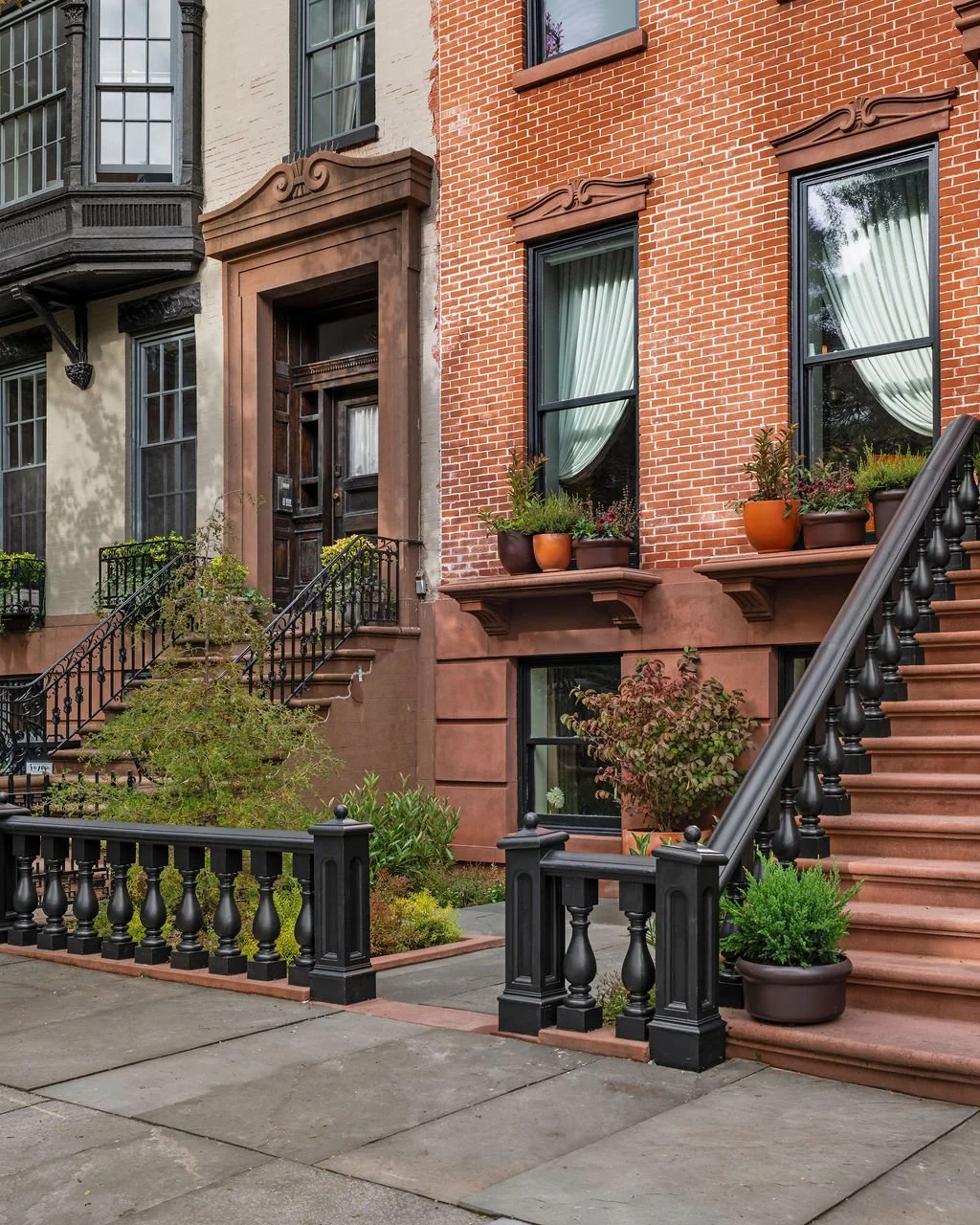
The expanded front garden begins with a simple shift: allowing more rainwater to stay on the property. The existing curb around the planting bed prevents runoff from the front patio and surrounding paving from entering the landscape. By removing select areas of bluestone and increasing the permeable planting area, more rainwater can be captured, slowed, and retained within the garden rather than immediately directed toward the street and combined sewer system. The additional planting creates a greener, more generous landscape while allowing the front garden to handle more of its own runoff.
The plant palette was selected according to the garden’s light and moisture conditions, with an emphasis on resilience, seasonal interest, and a calm overall composition. Atlantic white cedar (Chamaecyparis thyoides) serves as the focal point, establishing a strong evergreen presence within the garden. Eastern red cedar reinforces this structure, while the fine foliage of bald cypress introduces softness and seasonal change. Together, these trees create a sense of permanence and vertical structure while remaining closely connected to the character of the regional landscape.
The broader palette combines native species and their cultivars with selected ornamental plants, balancing varied textures, heights, and seasonal moments. Flowering shrubs such as red chokeberry, Virginia sweetspire, and possumhaw viburnum bring flowers, foliage, and berries throughout the year, while lower layers of bearberry, creeping phlox, winter heath, hardy plumbago, and lyreleaf sage soften the edges of the garden. Perennials including heart-leaved aster, purple coneflower, and Virginia meadow beauty add seasonal color and support pollinators. The result is a layered planting that feels abundant without becoming overly formal.
A Garden for Everyday Life
Because the townhouse does not have a rear garden, the front landscape becomes an outdoor room as well as an entry. The planting frames the stoop, softens the ironwork, and creates moments of enclosure and discovery while allowing the historic architecture to remain prominent.
Classical terracotta pots introduce warmth and a sense of permanence, complementing the masonry and providing another layer of planting that can evolve over time. The reduction of bluestone gives more space back to the garden, allowing greenery and permeable surfaces to take precedence while strengthening the relationship between the planting and the building.
The garden reflects Field Form’s belief that thoughtful interventions in small urban spaces can do more than beautify. They can slow and absorb rain, support diverse planting, soften the edge between architecture and landscape, and create a stronger connection between a home, its neighborhood, and the natural world.
FIELD FORM
A RESILIENT GARDEN
FOR BROOKLYN
Field Form is a Brooklyn-based resilient landscape design-build practice dedicated to creating beautiful landscapes that strengthen the relationship between people, water, and the natural environment. Working across residential, institutional, and public projects, the studio combines thoughtful design with technical expertise in stormwater management, ecological restoration, and climate adaptation.
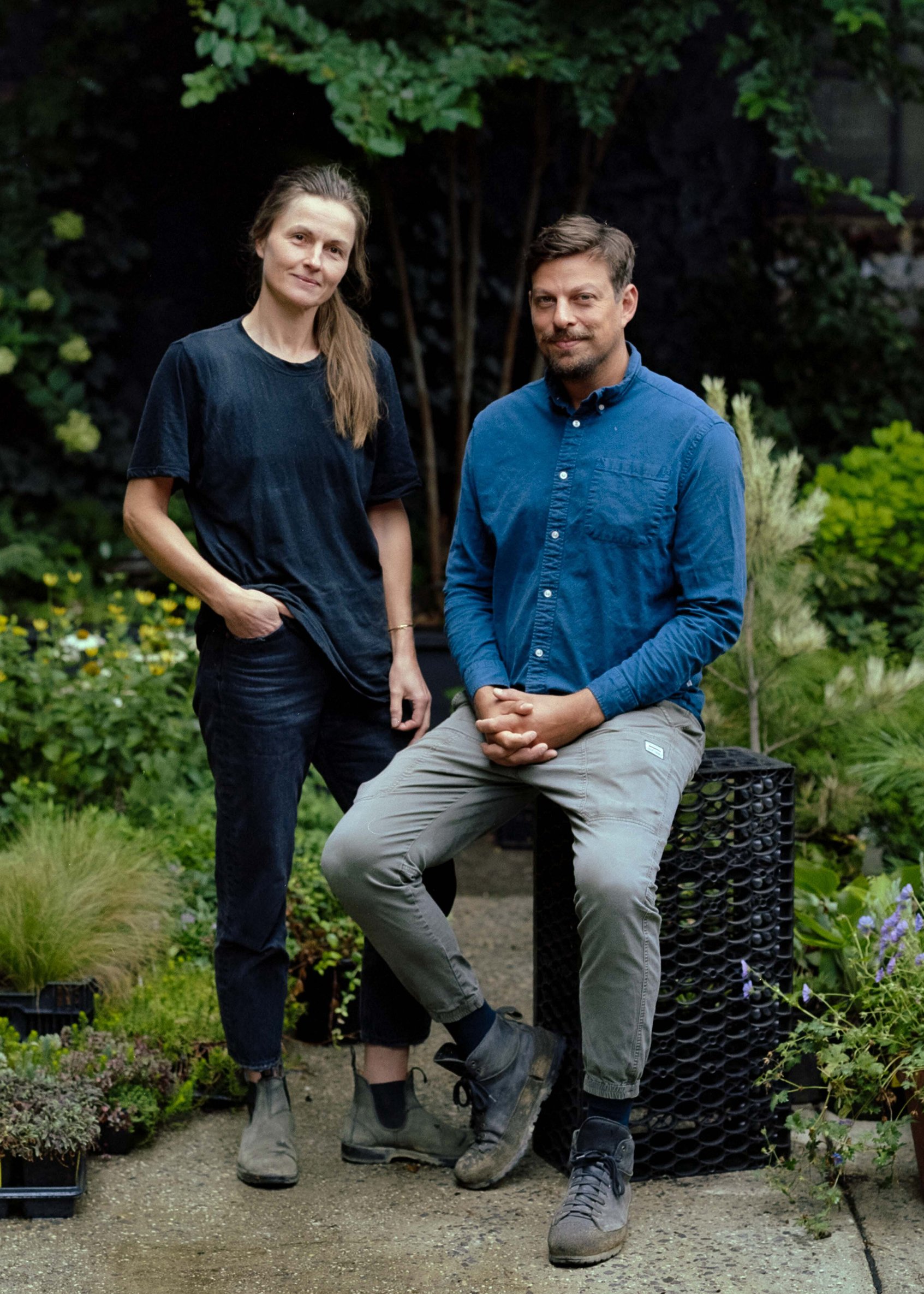
Founded by Line Kaasine and Samuel Robinson, Field Form believes that every landscape should be both beautiful and perform as critical infrastructure. By integrating drainage, planting, and long-term stewardship into every project, the studio creates outdoor spaces that are as functional as they are enduring.
Field Form is also the creator of Flood Form, a property-scale resilience platform that helps homeowners and communities understand and reduce flood risk through data-driven analysis and strategic design. Together, the two practices are advancing a new model for resilient landscapes in New York City and beyond.